
 Khalliah Gardner April 5th, 2025 - 11:53 AM
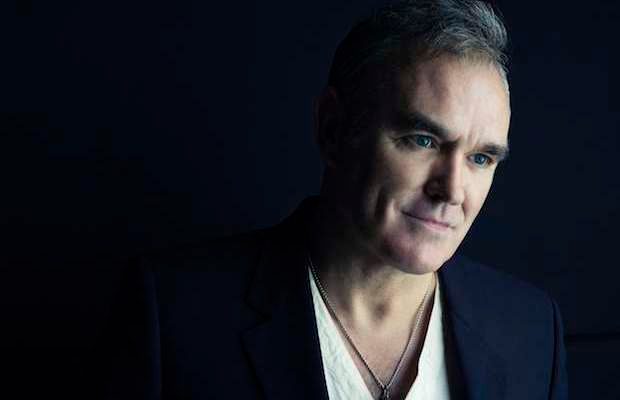
British singer Morrissey is reportedly taking legal action against someone on the internet for supposedly spreading false and harmful rumors about him. The former Smiths singer believes this person deliberately tried to damage his reputation online. This case highlights how public figures sometimes struggle with anonymous people making defamatory comments online. Morrissey’s lawsuit shows he wants to hold the accused responsible and protect his good name from being tarnished by these claims.
Morrissey’s lawyers have acted against someone they call a persistent troublemaker. They sent this person a cease and desist letter because they’ve been bothering Morrissey online and leaving handwritten notes at his home in England. Security cameras supposedly recorded these incidents, and the legal team says that the unwanted visits make Morrissey’s family feel a “substantial risk of physical and emotional harm” ( Consequence, 2025).
This person has apparently been bothering Morrissey for years. They have spread misleading and twisted information about him online, trying to wrongly connect him with far-right beliefs. The law firm representing Morrissey says that sharing this kind of content helps create a “harmful global narrative that is inaccurate, defamatory, and has driven the media to repeat these falsehoods” (Consequence, 2025). To protect Morrissey’s reputation, his lawyers stated that he is not connected to any political group and has “never joined a political party or voted.” They hope this will clear up the rumors about his politics spread by an alleged troll, which have confused people (Consequence, 2025).
Morrissey suing someone shows that celebrities increasingly need to deal with harmful content online. It highlights the trend of holding people and websites responsible for negative or false information, suggesting public figures now realize they must take action more than ever before. Although we don’t know much about Morrissey’s situation yet, it’s clear his legal team is committed to carefully investigating all claims and details to create a strong case.
This situation highlights the bigger issue of internet responsibility, where free speech often clashes with defamation and privacy concerns. Online, it’s hard to balance allowing people to speak their minds with protecting others from false or harmful remarks. The outcome of Morrissey’s legal case could set a new example for similar situations in the future and may change how we think about legal responsibilities for individuals and online platforms. This case shows that there needs to be an open discussion on governing online interactions fairly—balancing basic rights with protection against harm.
