
 Khalliah Gardner April 26th, 2025 - 12:16 PM
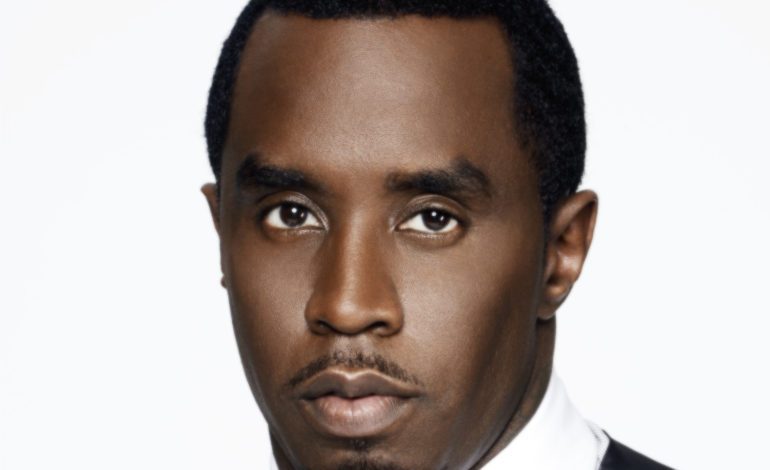
Sean “Diddy” Combs, a well-known name in the music industry celebrated for his impact as a producer, rapper, and entrepreneur, has recently found himself at the center of attention due to matters outside his professional successes. He has declined a plea agreement in relation to a sex-trafficking case, heightening an intense legal conflict that media outlets and the public are closely following. The proposed deal would have required him to plead guilty to specific charges in return for possibly receiving lesser punishment. By rejecting this offer, Combs demonstrates his resolve to challenge the allegations and uphold his claim of innocence.
The serious allegations against Combs have yet to be proven in court, and he continues to firmly maintain his innocence. His decision to reject the plea agreement indicates that he is willing to face a lengthy legal process, aiming for a trial where he can thoroughly present his defense. This strategy might extend the proceedings but also offers him a chance to vindicate himself if the verdict favors him. Choosing trial over quickly resolving via a plea deal demonstrates his determination to address these accusations directly, possibly altering public perception of this well-publicized case.
The ongoing case involving Sean “Diddy” Combs has captured significant attention from admirers of his impact on the music industry and critics keenly observing the situation. This case highlights broader concerns about accountability and behavior in the entertainment sector, igniting discussions that reach beyond just Combs himself. By rejecting a plea deal, Combs demonstrates his intention to contest the accusations actively, thereby impacting conversations about public figures’ responsibilities and ethical standards. For further details and continuous updates on this evolving story, readers can access the complete article at NME.
