 Ajala Fields January 2nd, 2026 - 10:42 PM
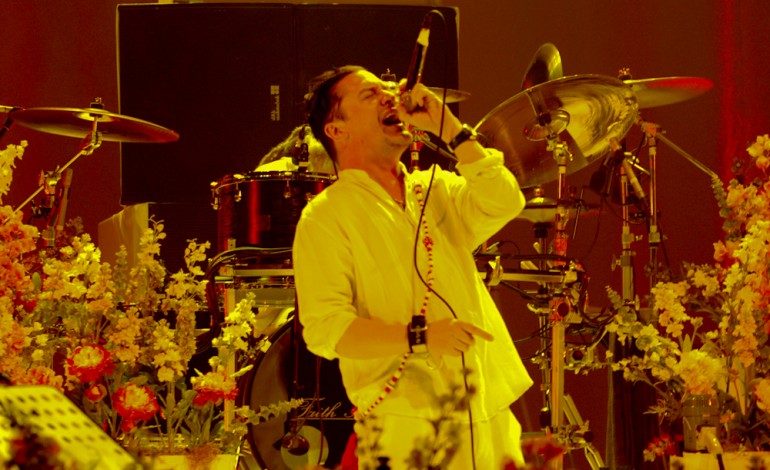
During a recent appearance on the 60 Minutes Or Less podcast, Faith No More co-founder, keyboardist and cultural trailblazer Roddy Bottum reflected on one of the most infamous tours in modern rock history: Faith No More’s 1992 run opening for Guns N’ Roses during the Use Your Illusion era alongside Metallica. Bottum has been on a press tour in support of his newly released memoir, The Royal We and the conversation touched on what it was like to exist inside what is often remembered as a peak moment of excess, aggression and unchecked rock-star behavior, according to MetalInjection.
Bottum was candid about how alienating it felt, especially given his identity and worldview at the time, “I think it was a challenge, but, honestly, only for me. I think it was very much the rock and roll norm at that point. Misogyny, male aggression, toxic masculinity was all just part of the equation in that time, and everyone was on board for it. I don’t know anyone that wasn’t, honestly.”
He then spoke about how while guitarist Jim Martin fit comfortably into the traditional metal ecosystem, the rest of the band couldn’t quite fit the mold, “”The rest of us were all sort of leftist-leaning, progressive, weird artists, liberal minded,” Bottum said. “Billy [Gould], Mike [Bordin], Mike [Patton] — we were all kind of blown away by the audacity of that environment. We couldn’t believe what we were seeing, but we were very much alone in that mindset.”
Bottom said most of the tour’s ecosystem was immersed in hedonism, “”Everyone on that tour… they were down with the hedonism. They were okay with it. It was just an era in which people got on board,” he said. “Me being the gay man who sort of — I grew up with three sisters, basically — that was just offensive and wild and ‘what the fuck?’ to me, more than anyone else, for sure.”
Bottum explained that witnessing and being associated with that culture was a turning point that pushed him toward publicly coming out, something he had not previously done in the press, “It reaches a point in my life where recognizing that and seeing the potential association of us as a band and me in that band being regarded as that was like, ‘No, no, no, no, no,'” he said. “So after that point… it kind of stirred me on to making that declaration in the press and talking about being gay. And that’s sort of when my story turns in the book.”
Bottum also reflected on his complicated relationship with Guns N’ Roses’ music itself. He admitted that he was a genuine fan when Appetite For Destruction first dropped but even then, there were warning signs he struggled to reconcile, such as some of the imagery, “When that first record came out, I bought it. As pop songs, they were so good. It was dynamic and it worked so well,” he said. “But there was this insert… a cartoon of an underage girl in a schoolgirl outfit, her underwear down to her ankles. The vibe is she’s been raped. I’m just gonna say that.”
Looking back, Bottum acknowledged how normalized imagery like that was at the time, even among progressive listeners and how unsettling that realization is now. “Especially today, if we were to look at that and see it as an addendum in someone’s artwork, you’d just be like, ‘What the fuck? No,'” he said. “But for whatever reason, we as a people embraced Guns N’ Roses. Even progressive and liberal people embraced them.”
It took years, Bottum noted, for him to realize his feelings were of discomfort, “It took a long time for the distaste of what they were to settle in. It took a long time for me to be like, ‘Oh, wait—hold on.'”
Photo Credit: Raymond Flotat