

Controlled chaos
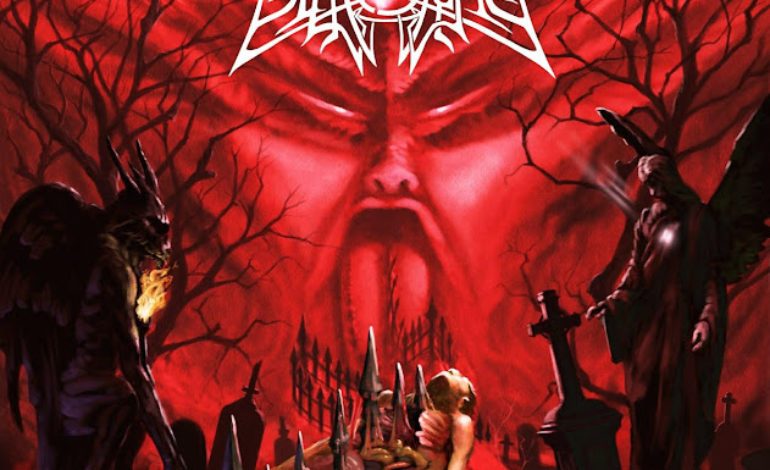
On their debut album, Lucifer Owns The Fence, released July 3, 2026, the newly formed experimental project Dichotomy plunges listeners into a turbulent and volatile soundscape. Serving as Jordan Varela’s first full-length statement under the moniker, the record delivers an adrenaline-fueled journey through progressive death metal that pushes beyond the genre’s conventional boundaries. Living up to its uncompromising title, the album constructs an auditory battleground where themes of spiritual warfare collide with punishing instrumentation. Fueled by aggressive theological imagery and savage riffs, Lucifer Owns The Fence is a debut that is as immersive in its vision as it is relentless in its execution.
As a one-man project, Dichotomy benefits from a remarkably focused artistic direction. Varela handles every aspect of the record, composing, performing, and producing each track with meticulous attention to detail. His approach blends the technical precision of progressive metal with the sheer brutality of death metal, creating compositions that feel dense without becoming overwhelming. Influences from genre heavyweights such as Morbid Angel and Deicide are apparent, while the aggressive riffing and thematic elements also recall Christian extreme metal pioneers Living Sacrifice and Crimson Thorn. Rather than simply recreating those influences, Varela molds them into a sound that balances complexity with direct impact, allowing the album to shift between blistering speed, crushing grooves, and atmospheric passages without sacrificing cohesion.
That versatility is especially evident on “The Fence,” one of the album’s standout moments. The track charges forward with razor-sharp guitar work and relentless drumming before settling into a tightly controlled groove that anchors its chorus. Instead of relying solely on speed or technical excess, the song demonstrates Dichotomy’s ability to create memorable moments through disciplined songwriting. Every transition feels purposeful, showcasing Varela’s understanding that restraint can be just as effective as overwhelming force.
The closing track, “Satan Will Kill You,” provides an appropriately punishing finale. Blistering blast beats and serrated riffs create an oppressive atmosphere from the opening moments, while Varela’s guttural vocal performance grows increasingly unhinged as the song unfolds. A faint, almost goblin-like rasp gradually emerges beneath the deeper growls, adding another unsettling layer to the performance. Rather than ending with a display of technical fireworks, the song favors sustained aggression, leaving listeners with an enduring sense of tension long after the final note fades.
Elsewhere, the album continues to explore themes of spiritual conflict through tightly constructed arrangements that reward repeated listens. Varela demonstrates a clear understanding of pacing, allowing moments of atmosphere to briefly emerge before launching back into waves of crushing riffs and relentless percussion. Even when the songs become highly technical, they never lose sight of their emotional weight or thematic focus, giving the record a surprising sense of cohesion for such an ambitious debut.
Ultimately, Lucifer Owns The Fence stands as a confident introduction to Dichotomy’s creative vision. It embraces technical precision without sacrificing intensity, delivering a dark and immersive listening experience that rewards both casual fans of extreme metal and longtime devotees of the genre. By balancing brutality with thoughtful composition, Jordan Varela establishes himself as a compelling new voice in progressive death metal and lays a strong foundation for whatever comes next.
