

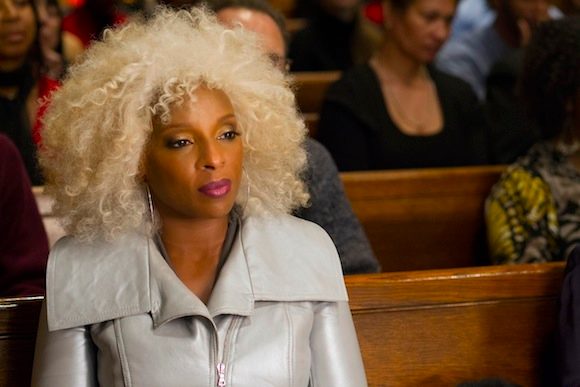
UPDATE (9/10): Suno has since removed the advertisement featuring Mary J. Blige from its Facebook page because the singer-songwriter did not authorize it, Variety reported. A representative from Suno told Variety: “We entered into a business deal with someone who presented themselves as Ms. Blige’s official representative. As soon as we learned this was not the case, and that Ms. Blige was uncomfortable, we terminated the advertising campaign.”
Known as the Queen of Hip-Hop Soul, the iconic Mary J. Blige is facing backlash after a Suno advertisement featuring the star made the rounds on social media. Suno is an AI music generator that is heavily debated in the industry, especially as AI use in music becomes more prominent. The advertisement has been posted only on Suno’s Facebook page, with no mention on other social media platforms, and Blige has not publicly acknowledged any partnership with the company or endorsed it, according to Stereogum.
The advertisement shows Blige in the studio as someone shows her what appears to be an AI-generated song using her vocals. When asked if she likes it, she responds with “It’s dope.” She goes on to explain that she doesn’t know much about this kind of music, so she just likes to process it and try to learn.
R&B icon Mary J. Blige has sparked discussion after appearing in a new AI music advertisement, seemingly endorsing the use of AI in music. pic.twitter.com/33lwyyS9w2
— Pop Core (@TheePopCore) August 30, 2026
Controversy followed the release of the video, with many fans uncomfortable with AI being involved with the art form at all. One of the many people who had an opinion on the advertisement was Jermaine Dupri, a producer and rapper who has collaborated with Blige in the past.
Dupri posted a video on Instagram about a brand-new app that lets people use the mixing from any song on Spotify in their own songs, and went on to explain that he doesn’t like the depersonalized, uncreative narrative many AI platforms are selling people about the music-making process. The post is captioned: “I was watching the new Mary J. Blige, suno commercial and then this shit popped up on my feed, I’m like cmon!! I get it, y’all want this AI shit to be excepted so bad, cool! But cut out all the trickory, Dickory dock shit.”
Suno has faced many copyright-related lawsuits. Universal Music Group and Sony Music Entertainment still have pending litigation with the company over copyright infringement, with their lawsuits being filed in 2024.
