
 Nana Sam February 27th, 2026 - 9:50 PM
Emotional, Energetic, Calming.
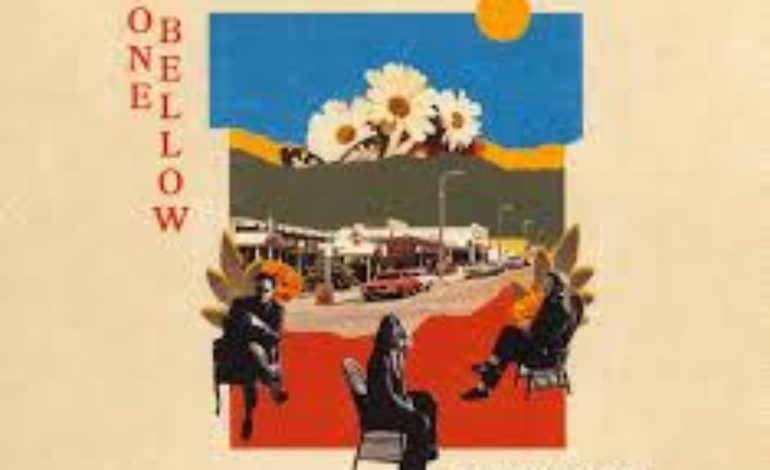
After almost four years, The Lone Bellows, the three-member band with lead vocalist Zach Williams, Kanene Pipkin and Brian Elmquist, has returned with their new album, What A Time to Be Alive, and they couldn’t have chosen a better date. Released a day before Valentine’s Day, this album is a nice letter to those you love and lovers of the past who still hold special place in your heart.
For the first half of the album, the trio decided to pull no punches with their first song, “After the Rain,” serving energetic vocals from the lead singer and just as emotional zestful backtrack vocals. With a heavy emphasis on the drums and electric guitar, this track knows how to get listeners amped up for the album and all that awaits. As per the title, it truly makes one feel alive. Like most of the album, this song focuses on the relationship between two individuals, with one promising to always be there for the other, through bad times and all.
The hyper vibe continues into their second song, “I Did It for Love,” with the back vocals shining and adding to the upbeat flair of the track. The vocals of each member are at its peak in this song, with the emotion being able to be felt without seeing them in person. Like the first song, this song expresses love’s assistance in making life worth living. Williams sings about how his love is guiding his loved one along the passage of time, without even knowing what path is right for him.
Despite the fondness of this relationship and the feeling the two lovers can rely on each other, the third and fifth song bring a somber conclusion to this love story as it shifts to the tales of classic heartbreak. Losing the lively vocals and instrumentals of the past two songs, “You Were Leaving” and “No Getting Over You,” they serve audiences with slow, acoustic heavy songs. “You Were Leaving” tells the story of the abrupt breakup as one partner starts to slowly drift away from the other. The fifth song examines the difficulties that come with moving on from someone you still love and how one can never really let go.
A complete change from the songs in the album, the fourth song, “Common Folk,” swerves its focus from love to an angel like being who’s a hero to all. It starts with a gospel instrumental, with a tambourine being heard faintly in the background. In addition to the instrumental, the vocalize “Oh” is also prevalent in the beginning of the song, reminiscent of choirs at church. Instead of focusing on love for one person, this song focuses on love for all and how one ordinary man can really save many.
From track six onward, the rest of the album continuously stays in its melancholy, calm mood, never fully exploring the zestful manner the album began with. This was a bit of disappointment, seeing as melancholy, heartbreak songs are common in this genre and hearing a full upbeat album could have brought some change of pace. Despite this qualm, the rest of the album excels at capturing the emotions behind breakups, from reminiscing over past times to finding it hard to fully let go, these songs are packed with emotion that listeners probably weren’t expecting after the first two songs.
The final song, “What A Time to Be Alive,” serves as a complete juxtaposition from the opening track, with the electric guitar and zestfulness of the first two songs being completely stripped away as a slow, peaceful song closes the album.
With a mix of love, heartbreak and heroism, this album has a lot of messages to offer to listeners, no matter what stage they are in their romantic journey. Although this album would have benefited from continuing its dynamic beginning, the calming change helps bring the messages of each song illuminate and resonate with some audiences.
