
 Samantha Breslauer January 29th, 2026 - 6:55 PM
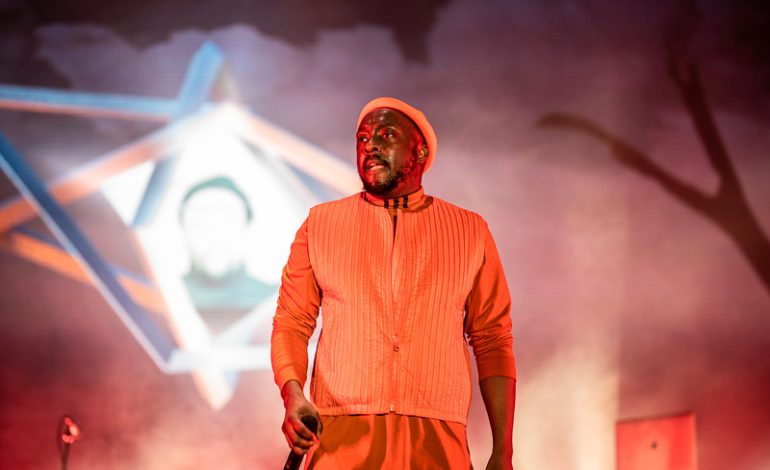
As artificial intelligence rapidly transforms culture, the music industry is grappling with how to preserve its humanity. The impact of AI on music was discussed today at a Recording Academy event dubbed Forging Tomorrow’s Music Landscape Today, hosted by Recording Academy CEO, Harvey Mason Jr.
Panelists included Miles Minnick, the first solo Christian hip-hop artist to perform at Rolling Loud, bluegrass singer-songwriter, mandolinist and guitarist Sierra Hull and musician, producer, tech founder and futurist will.i.am. The eclectic group of musicians addressed the undeniable impact of AI on their artistry.
“Everybody I know is using AI in one way or another. If I was to ask the crowd which AI app they’re using, I’m pretty sure we would all say the same thing: ChatGPT,” said Minnick. “It’s Gen Z’s Google… now it’s like ChatGPT it.”
Most of the discussion centered around the creative tension between using AI as a tool to enhance projects while remaining true, personal and authentic to themselves as artists.
will.i.am stressed restraint when it came to integrating emerging technologies into his creative process. While explaining how he joined a small community of people making new tools to advance the industry, he said, “I try not to put myself in the machine. There are certain things I want to keep sacred. So if I use systems, I don’t give the machine my full knowledge of what it is I want to create.”
The concept of sacredness was a recurring theme throughout the panel. Hull reflected on a backstage conversation she had with will.i.am, during which he told her that bluegrass music was “AI-proof.” When she was asked about it on the panel, she said, “[Bluegrass] has a need for real, tangible music-making… I came to music loving the music, but I stayed because of the community.”
Minnick echoed this by drawing on his own personal experience. He described a sense of betrayal when hearing AI-generated music. “I listen to music because of the story of the artist, the heart and soul of the artist,” he said. “When I hear a song that’s AI, and I don’t know it’s AI, once I find out it’s AI, I’m kind of creeped out.”
The audience was then asked whether they would turn off a song if they discovered it was AI-generated. An overwhelming majority responded that they would.
will.i.am offered a historical perspective on technological shifts in the music industry. He drew on an example of sampling music, which used to be controversial. “Is that art?” he said. “We know it is. Is that creativity? We know it is. Is that artistry? We know it is.” He argued that it’s unfair to be overly critical of today’s generation. “There’s going to be some folks that are lazy and there’s going to be some folks that are expansive, just like sampling hip-hop.”
Minnick and will.i.am briefly disagreed when discussing AI’s capacity for empathy. To the younger Christian artist, AI cannot replace the genuine human connection people feel when connecting with each other. will.i.am however, disagreed, saying that AI is capable of simulating empathy. Still, he stressed the importance of artists and consumers deciding what’s sacred and what they want to protect.
For will.i.am, sacredness lies in preserving live performance. He drew upon Broadway as a human-made space filled with “awesome human talent,” as well as, comedy shows and church, comparing them with music recordings where people are “chasing algorithms.”
When asked about legislation, Mason said that the Recording Academy has been actively working on laws that protect an artist’s name, likeness, and voice to ensure that no one can use them without approval or compensation. He noted that legislation has already passed in two or three states and is now being discussed at the federal level.
To close, will.i.am captured the spirit of the conversation: “I love technology, but I love humanity more.”
Photo credit: Boston Lynn Schulz
