
 Claire Yancey December 6th, 2025 - 12:00 PM
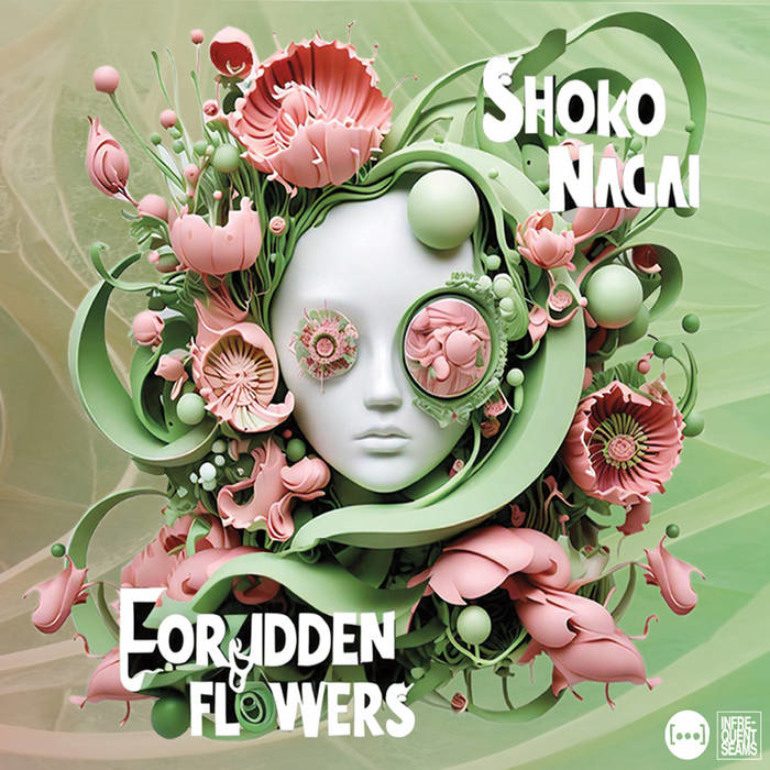
Tension and release, storm and calm.
Even when it doesn’t make sense on first listen, jazz is a genre built to play with chaos and unpredictability. Improvisation and unexpected shifts are central to its language, letting tension and surprise guide the music. Experimentation has always been part of jazz, from free jazz pioneers who broke traditional structures to modern artists blending electronics, classical and world music. In Nagai’s work, this experimental spirit is expanded further, as she mixes electronic sounds, classical piano and avant-garde elements with jazz, creating music that is unpredictable, layered and strikingly inventive.
Shoko Nagai is a multifaceted musician and improviser with a vast discography of collaborations. Her early training had a strong electronic influence, as she learned on a Yamaha Electone while living in Japan. Nagai later studied classical and jazz at Berklee, eventually moving into prepared piano, accordion and increasingly experimental projects. Over the course of her career, she has contributed to numerous film scores, which helps explain the album’s cinematic and narrative feel.
Nagai showcases a wide mix of genres and tones in this album. Some of the most notable include classical piano and avant-garde experimentation. Throughout the album, the listener encounters extremely layered compositions. Many of the tracks evoke what jazz might sound like in outer space: eerie classical keys, electronic beeps where strings might be and glitchy percussion. On first listen, some moments may seem like pure chaos, but eventually, everything clicks into place.
This push-and-pull dynamic is especially present in the first track, “Pineal Gland.” The opening is a frenzy of clanging electronic sounds toppling over one another. It becomes increasingly unsettling and overwhelming until everything screeches to an abrupt halt. That pause seems to awaken clarity, and the same sounds from the beginning suddenly burst into unison, finally working together after the break.
Another striking element appears in “Whispering Wall.” Airy, whistling tones mimic soft whispers, accompanied by muffled voice-like sounds bouncing off the walls. This track blends ambience and spaciousness with a persistent sense of tension.
A different kind of sound emerges in “Find Treasure for the Secret Beyond the Veil.” An unsettling bubbling sound enters, creating the feeling of something organic and alive beneath the electronic layers.
Finally, the closing and title track, “Forbidden Flowers,” begins with an elegant, piano-led introduction. It is followed by a burst of chaotic sound, almost like an orchestra warming up. The track builds, spirals outward and then comes to a clean stop, closing the album’s chaotic journey.
These abrupt shifts throughout the album feel like scene changes. Considering Nagai’s experience with film, scoring adds an interesting dimension to its analysis. Even though the album is not specifically intended for a film, it clearly narrates something internal and story-like. It feels as though Nagai is imagining a narrative and guiding us through it, whether or not we can see it visually.
All of these elements, including the chaotic and uncomfortable moments, come together to emphasize an artistic intent built on tension and release, storm and calm.
