
 June Skelly December 1st, 2025 - 12:40 PM
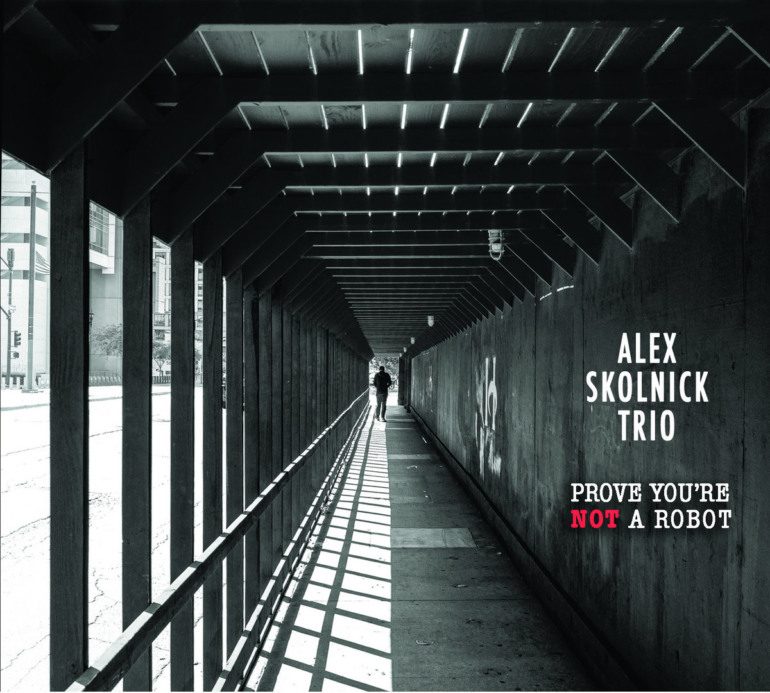
Stereotypical jazz migrates to an experimental attitude.
Prove You’re Not A Robot is a riveting jazzy album that starts off with a classic tune for the opening track, which shares a name with the title. By far the longest track on the album, it sets the pace with a laidback vibe. Repetitive phrases create a nice atmosphere for any scenario containing well-dressed adults mingling about. About half-way through, it moves into a drum solo to break up the repetition, backlit by a cool bass melody. The music returns briefly to the laidback tune, before an electric guitar solo begins, chasing off the repetition once more while drums add calamitous flourishes in the background.
As the album continues, the vibes start to migrate away from just a “jazzy backdrop.” The mingling adults are interrupted by someone tapping the side of their glass, preparing to wield your attention. By “Infinite Hotel,” something close to experimental begins to emerge. The beginning is characterized by a tentatively rollicking tune rushed through the guitar, something that continues throughout the number. The beat is highly syncopated, almost stressed, the drums keep you on your toes and the guitar keeps doing its own thing, all and all creating a weirdly chaotic melody.
If you’re looking for a number that will truly keep you guessing, “Armando’s Mood” is the perfect choice. It starts out leaning almost folksy, with the guitar sounding more acoustic and the melody full of gentle finger-picking. The drums rolling away blend neatly, creating a full sound. A third of the way in, the key becomes evidently minor, taking the listener from an old-fashioned tavern to a sophisticated dance-hall, begging you to tango. Before the end of the song, it takes a moment to harken back to where it began, bringing out that folksy tune again, then layering it with heavier drums. The guitar gets electric and the beat starts to pick up, before long hurtling toward the end of the number at an incredible pace.
Track 6, “Asking For a Friend,” starts out slow and brimming with longing. There’s a layered guitar with just a hint of percussion tapping away the beat on a snare in the back. This song feels like something furtive, like you know she’s gonna turn him down and you’re just trying to spare as many feelings as you can. There’s a brilliantly twining run on a guitar, like a stutter that can’t help falling out of your throat. The song ends by replaying the beginning; some cycles can’t help but repeat.
This is an album that starts out safe, the title track is the textbook definition of “Jazz Instrumental.” As it continues, something creative breaks free and by the last track, “Guiding Ethos,” the melody is bouncing between the guitar and the drums, and everything feels in perfect symmetry. The sound is refreshingly bright, like an early productive morning in the warm sunlight. Although the beginning might be a bit too stereotypical, particularly for the title track, as the album goes on, it finds a beautiful voice for itself (despite it not having any vocals).
