
 Claire Yancey October 1st, 2025 - 1:40 PM
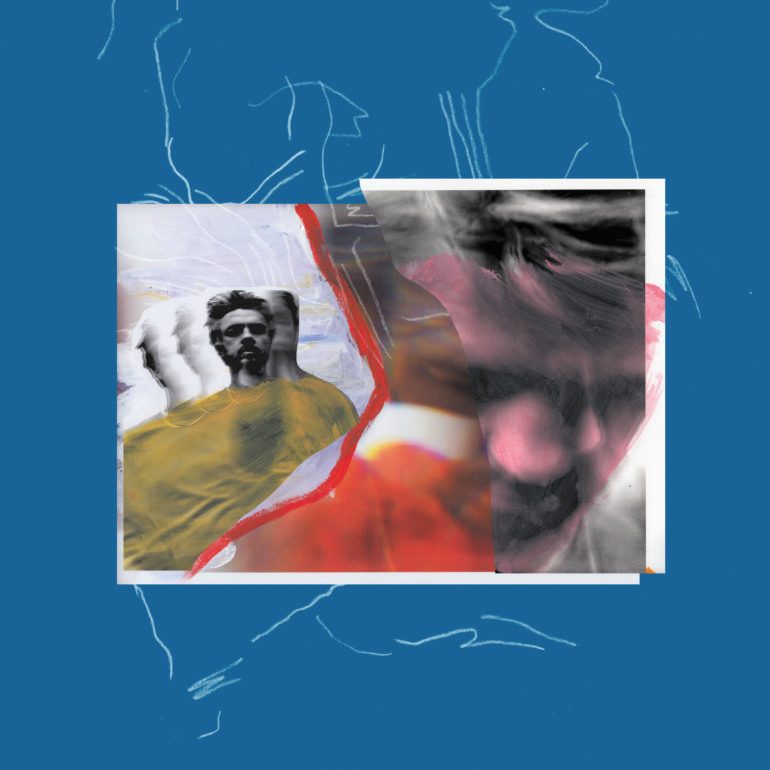
Skinner merges electronic and rock elements to create an experimental jazz blend in his music.
Tom Skinner is a drummer, percussionist and record producer from England who primarily creates music in the jazz and alternative rock genres. While he has produced a vast discography, he released an album under his own name for the first time in November ’22, called Voices of Bishara. In ’24 he released a live version of that album, but his next full-length creation was released on September 26, ’25, called Kaleidoscopic Visions. It is predominantly a jazz genre with some added elements from electronic and rock genres that lend it a more experimental flair.
The album begins with “Nothing To Be Scared Of” which, contrary to its name, does give the listener the feeling that there might be something to be afraid of. The ominous tone and tempo of the track serve as a foreboding introduction to the album, creating a sense of hesitancy before the album develops into a more soulful, swinging expression.
The album transitions into a more upbeat cadence with “Margaret Anne,” which is reminiscent of traditional jazz music.
“Still (Quiet)” is a moment where more of the electronic component of Skinner’s music comes into play. The vibrant jazz of the previous tracks is interrupted by a droning, ambient synth followed by industrial distortion. As this distortion plays out, you begin to hear faint murmurs of the jazz-like tone from the earlier tracks, a subtle callback to ease us smoothly into the next phase of this collection.
As we are taken to what feels like a second phase of this album, vocals are first introduced in “The Maxim,” featuring Meshell Ndegeocello. Not long after in “Logue,” featuring Contour, vocals present themselves in a form that is closer to spoken word, an added element onto the electronic jazz that adds another layer of controlled chaos to the track.
The album concludes on another sinister and brooding note, a nod to the beginning of the album. This homage leaves the listener with the same sense of mystery and potential unease, with deep and resonant spoken word layered onto slow percussion and haunting chorus. The line ends with “the times stay long and the song lingers on,” and the album ends just as it remarks, lingering on until it eventually fades to a close of nothingness.
