
 Paulson Cheung June 18th, 2025 - 12:05 PM
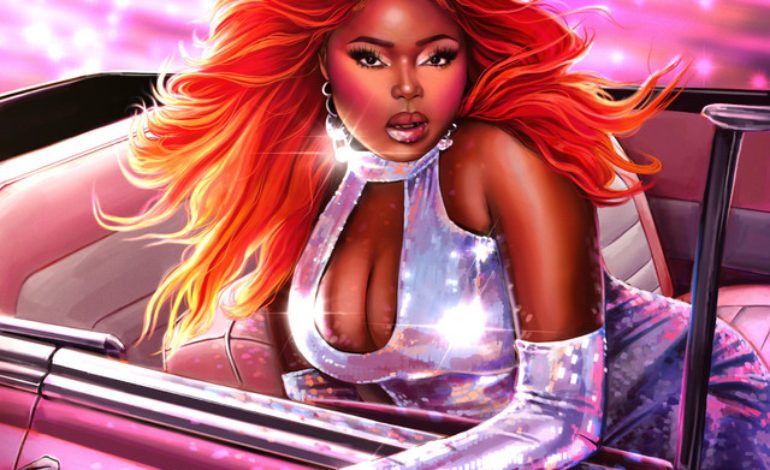
Feel good anthems in a tight package.
Within the 20 minute runtime of No Tears On This Ride, Lu Kala has one main message – she is having a good time. While this album definitely feels more like a collection of singles than a fully thought out project, the power of Lu Kala’s voice and personality commands the entirety of the listener’s attention. She belts, shouts and raps over tracks that, in 2025, feel a bit dated (most of the singles came out between 2022-2023). However, the power of early 2020s feel good anthems can still resonate with the right audience.
The album opens with “No Exes,” a punchy, confidence-drenched track that immediately sets the tone. Its upbeat disco-pop vibe harkens back to Lizzo’s “About Damn Time,” with a chorus that practically begs for a mirror dance session. It’s pure glittery catharsis – Lu Kala isn’t crying over anyone, she’s deleting numbers and turning the volume up. Then comes “Pretty Girl Era,” a track that leans harder into TikTok-friendly territory but not always in the best way. It’s filled with catchphrases that have already made the rounds online – “put a ring on it,” “hottie time of year,” “pretty girl era” – and while the delivery is confident, it sometimes feels more like a slogan collage than a fully realized song. There’s a sense that Lu Kala is trying to ride the same viral wave that boosted earlier singles but this time, the wave has already passed.
“Work” is no doubt the highlight of the album. Assisted by Shelalli, the track stands out not just for its infectious groove but for how clearly it captures Lu Kala’s essence. Her vocals drip with personality – full of attitude, sly humor and a grounded honesty that cuts through the rest of the record’s more polished pop sheen. Thematically, it’s a pivot from the glittery self-love anthems. Here, Lu’s singing about the joy of the hustle past the 9-to-5 and the triumph of pushing through. With a stripped-back arrangement of mostly piano and drums, it gives a rawness and texture that the other songs lack. There’s a funkiness in the rhythm that lets Lu stretch out her phrasing and have fun with it. And unlike the more generic, slogan-heavy cuts earlier in the tracklist, “Work” feels uniquely her: an honest reflection wrapped in groove and grit. If the rest of the album sometimes feels like it’s chasing trends, “Work” is where Lu Kala catches up with herself.
No Tears On This Ride may not be the forward-thinking pop release but it’s carried by Lu Kala’s undeniable charisma and vocal presence. At its best, the album offers moments of unfiltered joy and defiance – songs that are easy to dance to, sing along with and feel momentarily empowered by. At its weakest, it leans too heavily on recycled phrases and outdated production choices, offering little more than surface-level energy. Still, Lu Kala has carved out a space where her voice – both literally and figuratively – can shine. She’s not reinventing pop here but she is clearly enjoying the ride. And for listeners looking for short bursts of confidence, color and unapologetic fun, that might just be enough.
