
 Rhys Heraghty April 8th, 2025 - 9:10 AM
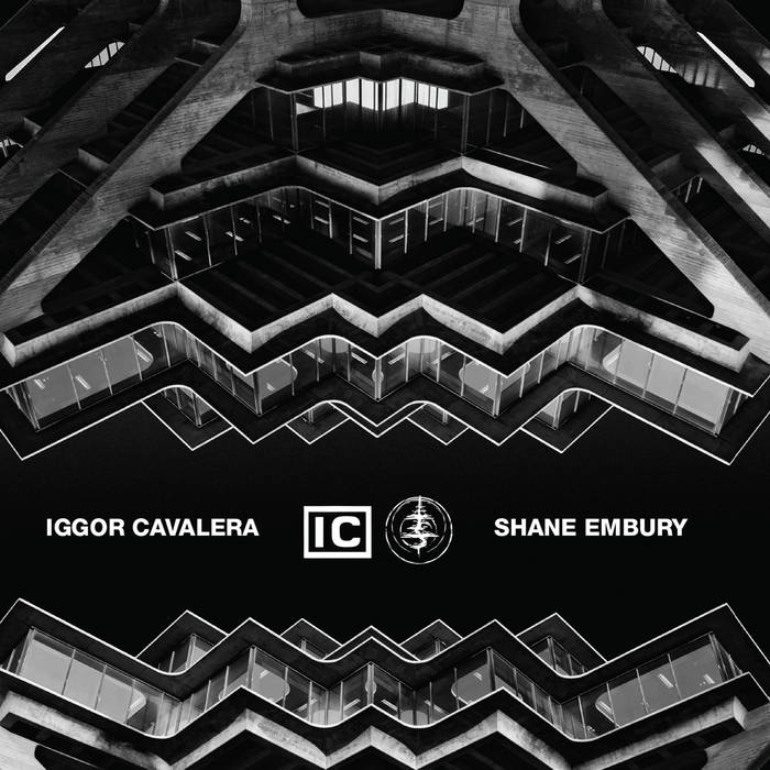
Iggor Cavalera and Shane Embury are, each in their own respect, well-versed musicians of the metal genre. Both have been in the scene since the 1980s and have found success spanning almost half a century. Cavalera is a Brazilian musician known for co-founding the heavy metal group Sepultura with his brother Max. Embury has also been a staple in the history of metal. The British-born musician has been the bassist for the death metal act Napalm Death since 1987, serving as their longest-playing member.
The pair have now teamed up to release a two-track album, Neon Gods/Own Your Darkness, through Cold Spring Records. This project is just over 30 minutes in length, and every second of that runtime is bursting at the seams with dread-inducing noise. Rarely is the audience given time to digest what is happening before another layer of chaos is added to the mix.
The first track, “Neon Gods,” wastes no time, immediately firing out a droning sound that leaves the mouth dry, the heart beating, and the mind anxious. Suddenly, what sounds like the tormented wails of demon spawn scratch across the track’s surface like nails on a chalkboard. That descriptor would feel like a direct insult nine times out of ten. However, one must imagine this is what the duo is going for. They very obviously did not set out to make comforting music. As the song continues, it only descends deeper into darkness, much like Dante as he journeyed down through the nine circles of hell. The chaos is unrelenting, and the distortion is so strong the audience might begin to disassociate. Intensity peaks higher and higher until well past the halfway point of this 20-minute track. Distortion falls, giving way to echoing metallic synths. Only for the apocalyptic wave of feedback to come crashing down atop the listener, dragging them into the undertow.
“Own Your Darkness” is introduced with synths mimicking revving engines riding again straight to hell. While the first minute was intriguing, this was the weaker song of the two. Seemingly, the only thing going on here is distortion flowing in and out, up and down dynamically. It lacks the playful experimentation of modulation that “Neon Gods” has in spades.
After listening to this album, I wonder if the speakers used have been forever altered and blown out by these sounds. To some, this will be a selling point for the album, while for most, it will be an annoyance at the minimum. This album is done well for the most part; however, it is for an extremely niche audience that will hopefully find and appreciate what it is trying to do.
